Choosing the Right Duvet Fill: Down vs. Alternatives
An evidence-based guide to duvet fillings that compares down with common alternatives, highlighting warmth, weight, breathability, and care considerations. Practical tips help UK readers select a duvet that matches their climate, sleep preferences, and sustainability values.
Published 2026-09-30
In the quiet theater of a good night’s sleep, the duvet is both prompter and participant. It is the soft argument that convinces you to surrender to rest and the quiet shield that makes the room feel like a cocoon. The luxury duvet market—with its hush of fine fabrics, precise thread counts, and ethically sourced fillings—offers more than warmth: it offers a philosophy of comfort. But a truly informed purchase does not merely chase softness; it seeks a balance between warmth, weight, breathability, and longevity. This article unfolds the science and nuance of duvet fills, from traditional down to high-performance alternatives, with an eye toward readers in the UK’s varied climate and evolving sustainability expectations.
We begin with the oldest ally in comfort—down—then explore synthetic microfibers and organic or natural fillings. Each fill type interacts with the shell (the fabric around the fill) to shape warmth-to-weight ratios, loft, and moisture management. The aim is to demystify labels, translate certifications like Responsible Down Standard (RDS) and Global Organic Textile Standard (GOTS) where applicable, and offer practical guidance for selecting duvet weights—summer, 4-season, or winter—that align with sleeping patterns and seasonal shifts.
1) A concise map of duvet fills
The world of duvet fills can feel like a vocabulary list until you translate the terms into your own sleep habits. Below is a compact map of the major categories, their defining traits, and who they suit best.
- Down fillings: The traditional benchmark for warmth and loft. Down is light yet insulating, with a warmth-to-weight ratio that often outshines synthetics. Commonly marketed as 600–900+ fill power, with European goose down and duck down being the most typical sources. Pros: exceptional loft, compresses well for storage, long lifespan with proper care. Cons: higher cost, potential allergen concerns, variable ethical considerations depending on source. Certifications to look for include Responsible Down Standard (RDS).
- Down-alternative microfibers: A synthetic approach designed to mimic the loft and warmth of down, while offering hypoallergenic properties and often easier care. Pros: allergy-friendly, machine washable at home, generally lower cost. Cons: can be heavier for equivalent warmth, loft may diminish over time, may feel less breathable than natural fills.
- Organic and natural fillings: Fillings such as organic wool, linen, silk, or cotton-based materials. Pros: natural fibers with inherent moisture-wicking and temperature regulation; wool, for example, can insulate while remaining breathable. Cons: can be more seasonal in feel and may require more nuanced care depending on fiber. Certifications to seek include GOTS for organic fibers and Responsible Down Standard (where applicable) for down-based fillings.
2) How fill power, weight, and shell interact
The warmth of a duvet is not determined by a single measure. Fill power, weight, and the shell weave together to determine Comfort, Loft, and Breathability. A few principles help readers compare apples to apples:
- Fill power and warmth: Higher fill power (for example, goose down with 900+ fill power) can deliver more loft and warmth with less weight. A duvet with lower fill power may feel heavier to achieve the same warmth.
- Weight and seasonality: Summer duvets tend to be lighter and more breathable; 4-season sets offer a mix that can be tuned to climate, or you can use removable linings. Winter varieties emphasize loft and insulating capacity.
- Shell matters: A tightly woven shell reduces fill escape and pilling. Cotton sateen or Egyptian cotton percale shells influence the feel against the skin, as well as durability and washability.
- Breathability and moisture management: Natural fillings often breathe better in humid climates; some synthetics wick moisture effectively but may sleep less cool in high humidity if the weave is heavy.
3) UK climate, sleep patterns, and practical picks
The United Kingdom’s temperate maritime climate creates nuanced bedding needs. Relative humidity, seasonal temperature swings, and indoor heating all influence what duvet fills feel best. For hot sleepers, breathability is paramount; for those who feel a chill at night, loft and warmth take precedence. The following practical scenarios illustrate how to map preferences to fills.
- Hot sleepers in humid summers: Seek lighter weight, high-breathability shells paired with down-alternative fills that mimic down’s loft but stay cooler due to synthetic fibers. Look for 4-season options with a light summer duvet and an untethered approach to layering.
- Allergy-conscious readers: Prefer hypoallergenic fills such as down-alternatives or synthetic microfibers, bundled within a tightly woven shell to reduce allergen exposure. Certifications and clean labelling help identify safe options.
- Ethical and sustainability-minded shoppers: Prioritize fillings with clear sourcing credentials (RDS for down, GOTS for organic materials) and consider blended approaches that reduce environmental impact without sacrificing comfort.
4) Reading labels and certifications you can trust
In a market crowded with marketing language, certifiable standards are your compass. These labels help separate warmth, luxury, and responsibility from mere stylistic appeal.
- RDS (Responsible Down Standard): Verifies animal welfare practices in the down supply chain, focusing on humane treatment and traceability.
- GOTS (Global Organic Textile Standard): Governs organic fibers from cultivation to processing, ensuring environmental and social criteria are met.
- OEKO-TEX: A product-level certification indicating fabrics are free from a broad range of harmful substances.
- Other fiber-specific certifications: Look for labels such as Responsible Wool Standard (RWS) or Silkmark when relevant to a given filling.
5) How to choose weights: summer, 4-season, or winter
Seasonal needs are a practical framework for decision-making. If you sleep under a heavier duvet year-round, you may be trading comfort for warmth efficiency. The following guideline helps translate seasons into duvet choices:
- Summer: Lightweight duvet, often 2.5–4 tog range for synthetic fills, or similar warmth with higher breathability for down alternatives. Goal: airy, moisture-wicking comfort that sleeps cool.
- 4-season: A pairing strategy with two duvets (one lighter for spring/autumn, one heavier for winter) or a modular system that uses a duvet with a versatile warmth range in the 6–10 tog area, depending on fill.
- Winter: Heavier weight, lofty loft, and a shell designed for insulation. Down with high fill power or natural fillings that trap warmth effectively are common choices.
Remember: a comfortable night’s sleep often rests on the shell's breathability just as much as the fill’s warmth. A well-made duvet with a breathable fabric shell can transform a heavy fill into a sleep-friendly experience, while a less well-constructed shell can muffledly trap heat.
6) Practical care tips to preserve loft and longevity
Care routines can extend the life of a duvet substantially. Loft retention, insulation, and even the shell’s integrity are influenced by washing, drying, and storage habits. Here are a few practical guidelines drawn from industry best practices.
- Follow manufacturer care labels to the letter; many premium fills demand specific washing programs or dry-cleaning for optimal performance.
- Avoid high-heat drying; use low heat and add clean tennis balls or dryer balls to re-fluff and maintain loft in down-filled products.
- Regularly air the duvet to help maintain microclimate balance and prevent the buildup of moisture or odors.
- Store in a breathable cotton bag rather than a sealed plastic container to avoid moisture buildup during layup periods.
7) Expert perspectives from three time periods
To enrich a modern guide with historical context and timeless expertise, we invite voices from three distinct moments in textile and sleep culture. Each brings a different vantage on comfort, craftsmanship, and the ethics of luxury.
“The finest bedding is not a mere object of warmth but a language of the night—quiet, precise, and almost architectural in its restraint.”
“A well-made duvet is a study in the ethics of comfort, from the density of the weave to the source of the fill. Luxury lies in responsibility as much as in softness.”
“Today’s luxury bedding should be as transparent as it is sumptuous: traceable, sustainable, and scientifically informed about how we sleep.”
These snippets invite us to see duvet fillings not as mere materials but as cultural artifacts that reveal how a society approaches rest, care, and the ethics of comfort.
8) A practical, product-anchored example: Bovi Windsor Cotton Sateen Duvet Cover
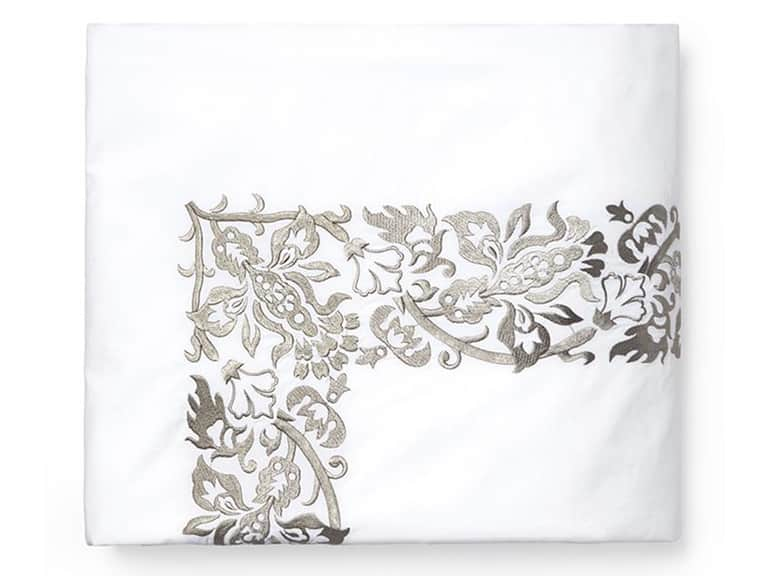
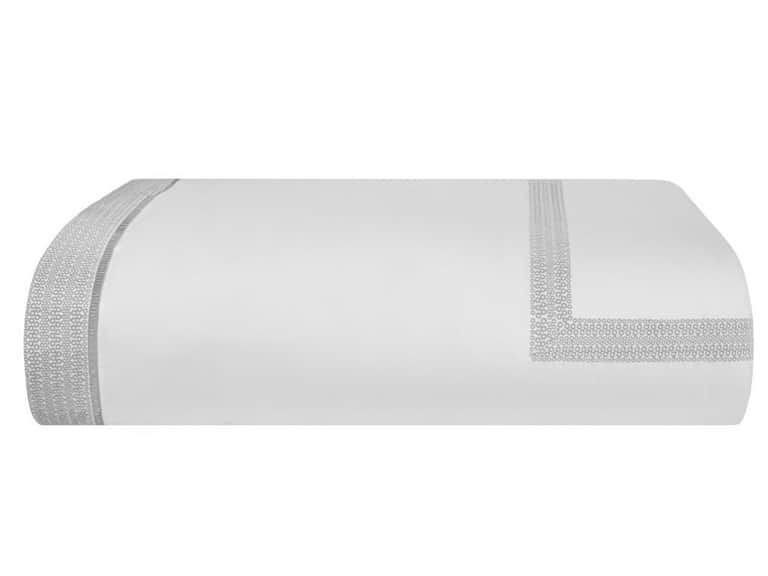
The Bovi Windsor Duvet Cover embodies a quiet luxury that closely mirrors the refined sensibility of a well-made duvet itself. While a cover is a separate layer, its role is central to the sleeping experience: it is the tactile interface between skin and loft, the curtain drawn across the night's curtain of warmth. Bovi’s Windsor is crafted in Portugal from a smooth 300-thread-count cotton sateen. The crisp white fabric is accented with an elegant border in White/Latte or White/Silver, a detail that reads as a disciplined, hotel-esque polish rather than ostentation. The result is a duvet cover that feels both timeless and contemporary—a fitting companion to the luxury duvets that fill the core of the bed.
Key details:
- Material: 100% cotton sateen, 300 thread count
- Finish: Elegant contrasting border; refined sheen
- Origin: Guimarães, Portugal
- Care: Machine wash; tumble dry; warm iron; avoid bleach
Price: £893.00
This piece demonstrates how a premium shell amplifies the perceived luxury of the bedding it encases. It is not a mere accessory but a fundamental part of the sleeping ecosystem, shaping tactile warmth and visual calm.
Source details: product data linked to the Bovi Windsor Duvet Cover, including its 300-thread-count sateen and formal Portuguese craftsmanship, anchor the discussion in tangible sensory experience.
9) A note on sourcing and context in a luxury bedding hub
Background and context are essential in a domain that promises both comfort and ethical accountability. The landscape of luxury bedding is not merely about price points; it is about the tension between heritage craft and modern standards of sustainability and transparency. Readers should approach the market with a critical eye toward fiber origin, processing, and the story behind every textile—whether imported from Europe’s mills or woven in a boutique Italian atelier.
For the UK audience, the drama of seasonal climate, housing types (from city flats to stone cottages with thick walls), and indoor climate control adds layers to how one experiences warmth and breathability. The right duvet fill, coupled with a thoughtful shell and mindful care, becomes more than a purchase; it becomes a daily ritual of well-being.
10) Final reflections and a path forward
Choosing the right duvet fill is ultimately a personal calibration—the product of climate, physiology, and moral preference. The luxury duvet market provides a spectrum: from the ancient hush of natural down to the pragmatic assurance of synthetic fills, all housed within shells that are engineered to breathe and endure. The evidence-based approach described here encourages readers to weigh warmth against weight, moisture management against easy care, and luxury against responsibility.
As a closing thought, the article’s aim is not to prescribe a single perfect fill but to equip readers with a framework for inquiry: How does the fill power translate into loft on your nightstand? Does the shell’s weave promote airflow? Which certifications anchor your sense of trust? With these questions in hand, the journey toward a better night’s sleep becomes a refined, approachable, and deeply personal exploration.